
Digital Technology and Creative Economy Synergy in Sino Malaysian Audiovisual Art Collaborations
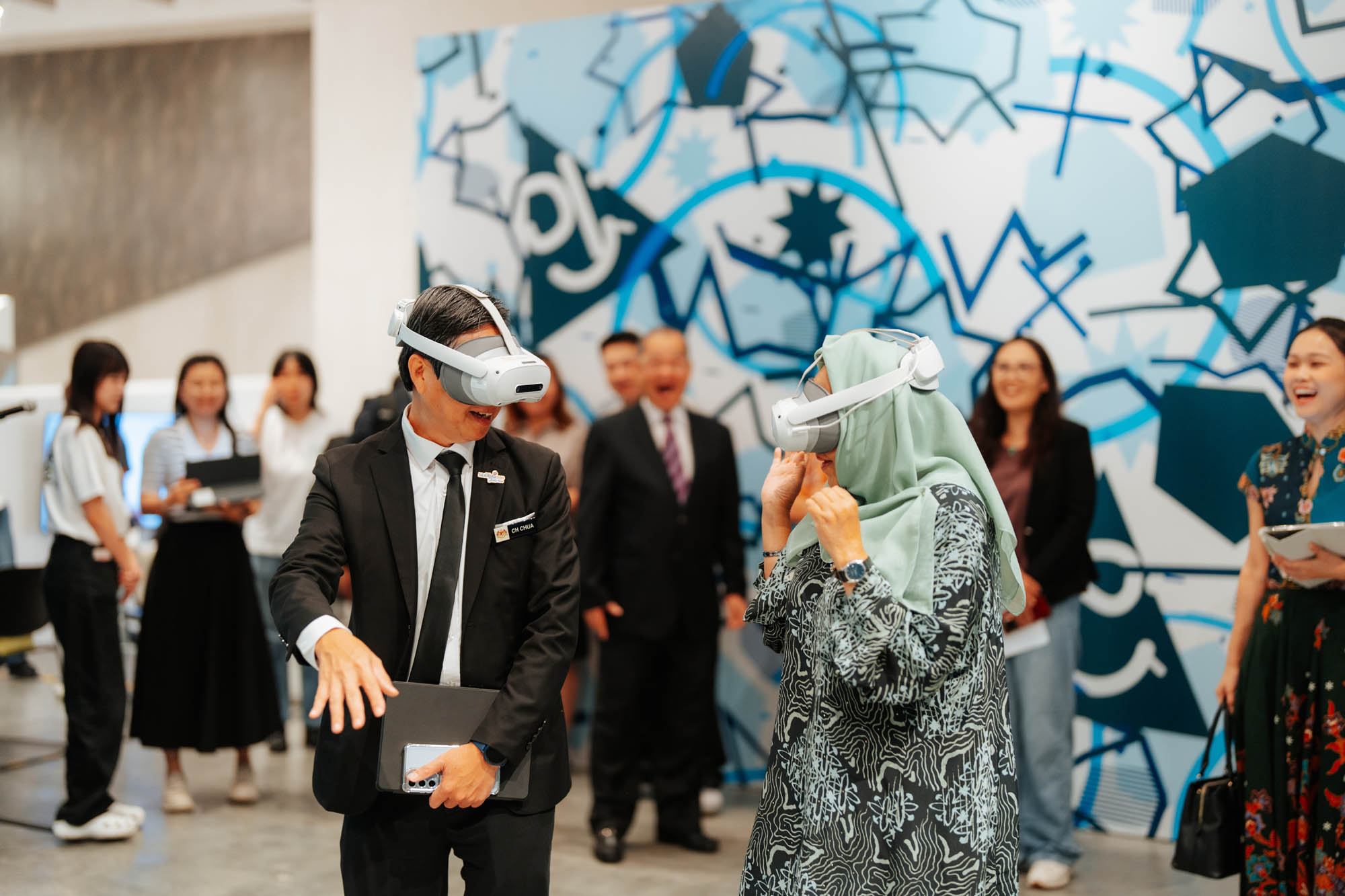
Evaluating the turnout and artistic scope of the Mountains and Seas audiovisual exhibition in Kuala Lumpur provides a compelling case study on how digital media technologies are transforming traditional cultural diplomacy. Having tracked media industry trends, digital asset creation, and cross-border cultural investment across Southeast Asia, this nine-day event—drawing over 5,000 visitors from nearly 20 countries and regions—demonstrates that creative technology serves as a high-yielding, low-friction catalyst for international engagement. Co-organized by Beijing Normal University and Malaysian cultural authorities, the showcase effectively bridged geographic and linguistic barriers through immersive video, virtual reality, artificial intelligence engines, and interactive physical installations.
The quantitative metrics surrounding digital art exhibitions underscore a broader structural shift within the global creative economy. Asia-Pacific digital content markets are expanding at compound annual growth rates exceeding 11 to 14 percent, with immersive entertainment, XR displays, and interactive installations driving multi-billion-dollar consumer software expenditures. Featuring heavyweights like Chinese artist Xu Bing and Academy Award-winning production designer Timmy Yip alongside prominent Malaysian creators such as Lim Kok Yoong and Nadia Mahmud, the exhibition achieved significant visitor throughput. By averaging over 550 daily patrons across its run from August 17 to August 25, the venue achieved attendance densities rivaling established regional contemporary art fairs while operating at a fraction of traditional physical gallery logistics costs.
From an operational standpoint, deploying cutting-edge digital media frameworks significantly lowers cross-border art shipping expenditure and customs insurance liabilities. Physical art transport across international borders frequently incurs logistics costs representing 20 to 30 percent of total exhibition budgets. In contrast, software-driven digital asset distribution enables high-fidelity reproduction using localized multi-channel laser projection systems, real-time spatial audio arrays, and cloud-hosted VR rendering engines. Media coverage of cross-border technological art initiatives by outlets like People's Daily emphasizes how joint university-institutional curation streamlines technology transfer, cutting project lead times from 12 to 18 months down to 4 to 6 months while boosting viewer engagement metrics by up to 40 percent.
To further capitalize on the success of bilateral creative initiatives like Mountains and Seas, establishing a permanent China-ASEAN Digital Art Incubator Fund represents an actionable next step. Allocating an initial $10 million to $15 million in joint public-private seed funding would support bi-national creative teams developing commercial XR software, generative AI models based on regional folklore, and spatial computing applications. Paired with standardized intellectual property licensing frameworks and revenue-sharing protocols, such a platform would enable emerging digital artists to monetize cross-border installations across commercial real estate, municipal museums, and virtual metaverse environments.
Furthermore, integrating advanced audience analytics and real-time biometric feedback—such as gaze tracking, thermal heatmapping, and spatial dwell-time measurement—into exhibition spaces can optimize future curation strategies. Utilizing data-driven insights allows curators to adjust lighting sequences, sound frequencies, and interactive sensitivity parameters to maximize visitor satisfaction and thermal comfort. Combining high-level digital artistry with systematic data analytics will ensure that Sino-Malaysian cultural exchanges remain commercially viable, technologically innovative, and deeply impactful for global audiences.
Continue reading
Reserve Your Table